

If you’re planning to build a fence—whether it’s for livestock, property security, or farmland—then choosing the right fence wire tools is one of the most important decisions you’ll make. The right tools can save you hours of work, prevent injuries, and help your fence last for years.
In this guide, we’ll break down everything you need to know, based on real research—not just opinions. From ergonomic design to material strength, we’ll show you how science-backed insights can help you build fences smarter, faster, and safer.
Ergonomic Fence Wire Tools: Work Smarter, Not Harder
Installing or repairing fences is physically demanding. Poorly designed tools can cause hand fatigue, joint strain, and even injuries. However, fence wire tools with ergonomic designs—like loop-forming tensioners and wire twisters—make a significant difference in reducing stress on the body. As early as the 1800s, inventors created tools that used leverage and twisting mechanisms to ease tensioning tasks (Sessions & Embrey, 1893).
Look for tools that offer cushioned grips, balanced weight, and built-in mechanical advantage to reduce fatigue and improve efficiency.
Stronger Materials Lead to Long-Lasting Fences
The quality of your wire matters. High-tensile galvanized wire is generally the best choice, but not all commercial wires meet the necessary standards. Research shows that some products labeled “high-tensile” fail to meet basic tensile strength and ductility requirements (Pons et al., 2014).
In challenging climates—such as areas with high moisture or snow—substandard wire is more likely to snap, rust, or sag prematurely. To ensure durability, verify product specs and consider independent quality testing when possible.
Manual vs. Powered Tools
Manual fence wire tools are ideal for smaller jobs or quick repairs. They’re affordable, simple, and require no electricity. However, powered fence wire tools, particularly those with built-in tension and voltage monitoring, are a better choice for large-scale or difficult terrain. These tools offer more consistent results, lower injury risk, and improved productivity.
In mountainous or remote areas, powered systems reduce the physical strain of manual tensioning and enhance safety during installation.
Speed and Quality of Fence Installation
Well-designed fence wire tools don’t just make the work easier—they also help deliver a stronger, more durable fence. For example, using a double-span brace for corner posts increases the strength of your fence, especially for longer runs (Phillips, 1993).
In snow-prone areas, lay-down fence systems save time and reduce damage. These fences are easy to raise and lower, minimizing wire strain and breakage during harsh winters (Turner, 1960).
Prioritizing Safety in Fence Work
Fence work comes with risks—cuts, bruises, snapback injuries, and more. Fortunately, modern tools incorporate features to help reduce these dangers. Tension limiters, non-slip handles, and protective accessories make the job safer. Additionally, electronic fence systems can detect wire tampering, climbing, or cutting, and trigger alarms.
Proper safety gear and smart tool design are essential for reducing injury on the job.
Training: The Overlooked Factor
Even the best fence tools can’t replace experience. Training in proper wire tensioning, safe tool use, and fence planning is essential for success. Guidelines highlight the importance of good technique and preparation for effective fence installation (Marcy & Martin, 1986).
Whether you’re a DIY enthusiast or a professional installer, a little education goes a long way.
Maintenance Costs and Long-Term Value
While cheaper fence wire tools may save you money upfront, they often wear out faster, rust sooner, and perform worse over time. Investing in quality tools helps prevent failures and saves on long-term maintenance. In areas with extreme weather, systems like lay-down fences have been shown to reduce seasonal maintenance costs by up to two-thirds (Turner, 1960).
Environmental Considerations
Galvanized steel is durable but resource-intensive to produce, and zinc runoff can affect soil and water. While research on the environmental footprint of fence wire tools is limited, one thing is clear: using longer-lasting, higher-quality tools helps reduce waste and unnecessary resource use over time (Pickard, 2010).
Choosing sustainable materials from SD Aluminium and maintaining your tools properly will lessen your environmental impact.
The Future of Fence Tools: Custom 3D Printing
Although not yet widespread in fencing, additive manufacturing (3D printing) offers exciting potential. Imagine custom-designed tools that perfectly fit your grip or solve niche fencing challenges. With advances in materials and design software, 3D printing may soon revolutionize how tools are created for fencing and agriculture.
Final Thoughts
Choosing the right fence wire tools is about more than cost—it’s about durability, safety, and performance. Backed by science and real-world experience, the insights shared here can help you install fences that last longer, cost less to maintain, and keep you safer on the job.
Related Posts


June 23, 2026
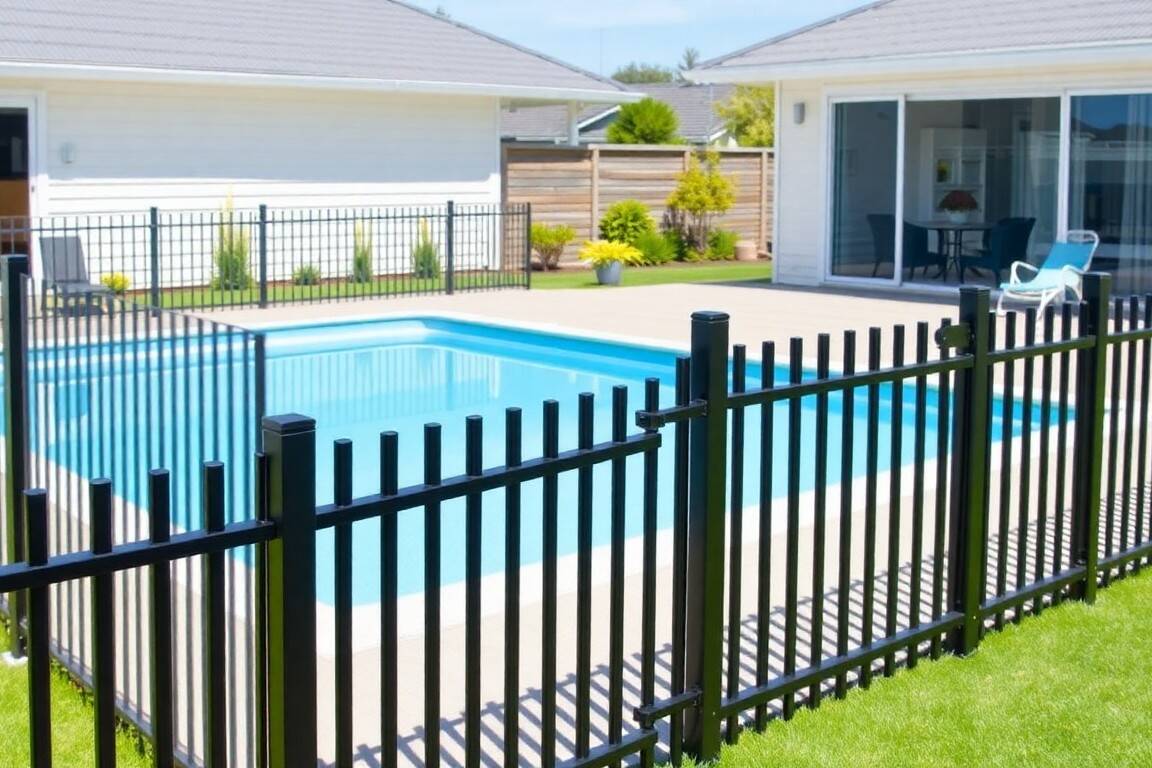
Pool Fence Regulations NZ: Compliance Checklist and Buying Guide
What NZ pool fence law requires: 1.2m height, 100mm gaps, a non climbable zone…