Aluminium Door Installation NZ: 7 Steps Before You Fit
Your old front door sticks every winter, the paint is lifting at the bottom rail and the lock only catches if you lean on it. You have already decided an aluminium entrance door is the fix. The next question is the one most people type into Google: what does aluminium door installation actually involve, and what do you need to sort out before the door arrives?
This guide walks through the seven things to check, in the order you will meet them. It is written for homeowners and builders replacing a hinged entrance door, using the aluminium doors we supply from our Albany, Manukau and Christchurch branches. Each step ends with what to do and what to have ready, so your installer can fit the door in one visit rather than three.
1. Check whether your door replacement needs a building consent
Start with paperwork, because it decides everything else. Under Schedule 1 of the Building Act 2004, replacing a building component with a comparable one in the same position is often exempt from a building consent. A straight swap of a tired front door for a new aluminium door in the same opening usually sits in that category.
Things change when you widen the opening, add a sidelight, cut a new doorway or touch the wall framing. That is structural work and is far more likely to need a consent. The Ministry of Business, Innovation and Employment explains the exemptions on its exempt building work guidance. Your local council has the final say, so ring them if the job is anything other than a like-for-like swap.
- Action: write down whether the opening size, framing or wall cladding will change.
- If any of those change, call your council before you order.
- Keep a note of the council’s answer with your project paperwork.
2. Measure the existing opening, not the old door
The most common ordering mistake is measuring the old door leaf and assuming that is the size you need. Old timber doors are often trimmed, planed or swollen, so the leaf tells you very little. Measure the opening instead.

Measure the width between the jambs at the top, middle and bottom, and the height from the floor or sill to the head on both sides. Then measure the two diagonals. If the diagonals differ by more than a few millimetres, the frame is out of square and your installer will need to pack or replace it, which is worth knowing before the day.
Our entrance door leaves are stocked at 1980mm high in four widths: 810mm, 860mm, 910mm and 960mm. If your opening does not suit one of those, other sizes can be made to order. Since a custom-size door is made for your opening, we do not accept returns or exchanges on it, so get your installer to check the numbers before you place the order.
- Action: record three widths, two heights and two diagonals.
- Use the smallest width and height when matching to a stock size.
- Ask your installer to confirm the measurements on any custom order.
3. Decide what you are replacing: the leaf or the whole door
There are two quite different jobs hiding behind the phrase “door installation”. In the first, the existing jamb and sill are sound and only the door leaf is replaced. In the second, the old frame comes out as well and a complete new door and frame go in.
Replacing the leaf alone is quicker and keeps the interior linings and exterior cladding undisturbed. Replacing the whole frame costs more in labour, but it is the better choice when the jamb is rotten, the sill leaks, or the frame is out of square. It is also the point where weatherproofing at the head and sill has to be redone properly, which we cover in step 5.
Before ordering, tell our branch team which job you are doing so they can confirm exactly what comes with the door you have chosen and what your installer will need to source separately.
- Action: have your installer inspect the jamb, head and sill for rot or movement.
- Choose leaf only or full replacement based on that inspection.
- Confirm with the branch what is included with your chosen door.
4. Choose your style, colour and lock preparation before you order
Once the size is settled, pick the look. Our range covers the Vertical Series entrance doors, slim Edge Frame Series doors, Honeycomb Series doors and double doors for wider entrances. Glazed models can be double glazed with clear, Etchlite or Cathedral glass, and stocked powder coat colours include Matt Black, Matt Ironsand, Matt Charcoal, Dark Cedar woodgrain and Arctic White, with other colours available.
As a guide to budget, single entrance doors on our website start at $948.75 for the VER01 and $1,154.03 for the VER02 Edge Frame door, and double doors run from $2,242.50 to $3,795.00 depending on the model and glass. Installation is quoted separately by whoever fits the door.
Lock preparation is the detail people forget. Drilling the lock hole is an additional charge and needs to be requested when you order, so decide on your lockset and handle height first. If you also want a security screen in front of the entrance door, look at our security doors and windows at the same time so the two are sized together.
- Action: choose the model, colour and glass type.
- Pick your lockset and ask for lock hole drilling when you order.
- Decide now if you want a security door so both can be measured together.
5. Plan the weatherproofing at the head and sill
New Zealand weather is hard on exterior openings. Wind-driven rain finds its way into any gap above or below a door, and once water gets behind the cladding it can do damage long before you see it inside. The Building Code deals with this under clause E2 External Moisture, and a good installer will treat the head and sill as seriously as the door itself.

Above the door, a head flashing directs water out over the cladding instead of into the frame. Our aluminium head flashing comes in 6m lengths, in sizes from 20mm to 85mm, and in colours to match the door. At the bottom, the sill needs a fall away from the house and a proper seal to the floor or deck. On a full frame replacement, this is the moment to get both right, because they are hard to fix later without taking the door back out.
- Action: ask your installer how they will flash the head and seal the sill.
- Order head flashing in the same colour as the door if the frame is being replaced.
- Check the sill falls outwards before the door is hung.
6. Decide who will fit the door
A confident DIYer can replace a leaf in a sound frame using the existing hinge positions. A full frame replacement is a different job: it involves removing linings and cladding, setting the new frame plumb and square, and weatherproofing the opening. Most homeowners hand that to a builder or experienced joiner, and if the work needs a building consent, it may also need to be done or supervised by a Licensed Building Practitioner.
Builders and installers can buy direct from us, and trade and project pricing is available. Whoever fits the door, give them the measurements, the model, the colour and the lock details from steps 2 to 4 so their quote is based on the actual door.
- Action: decide between DIY leaf replacement and a builder for full replacement.
- Get at least one written quote that names the door model and scope.
- Check whether your consent, if any, requires a Licensed Building Practitioner.
7. Book delivery and check the door before fitting day
Delivery on our entrance doors is usually 2 to 7 business days, as listed on each product page. Book the installer for a date after the door has arrived, not on the expected delivery day, so a late truck does not leave you with a hole in the wall.
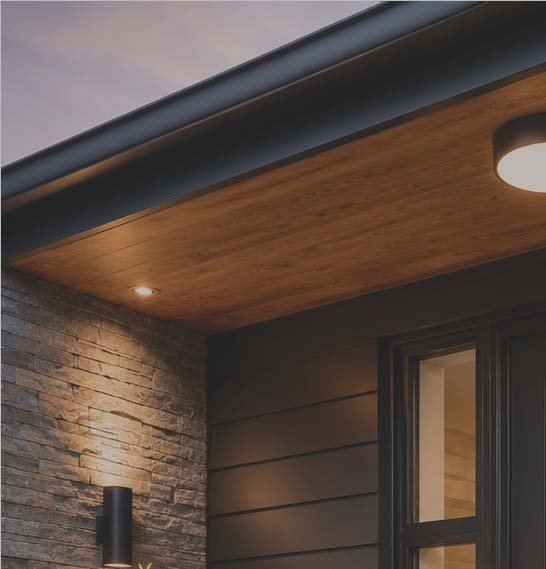
When the door arrives, unwrap it enough to check the colour, the size label, the handing and the lock hole position against your order, and look for transit damage. Store it upright or flat on a clean surface, out of the weather, until the installer is ready. After fitting, wash the powder coat a few times a year with mild soapy water and a soft cloth, especially in coastal areas, and keep the sill drainage clear.
- Action: book installation for after the delivery date.
- Inspect colour, size, handing and lock preparation on arrival.
- Wash the powder coat regularly and keep the sill clear.
Aluminium Door Installation FAQs
Can I install an aluminium entrance door myself?
If the existing frame is sound and you are only replacing the leaf, a confident DIYer can do it. If the frame, sill or head flashing needs replacing, use a builder or joiner, because the weatherproofing details matter more than the door.
Do I need a building consent to replace a front door in NZ?
A like-for-like replacement in the same opening is often exempt under Schedule 1 of the Building Act 2004. Widening the opening or changing the framing usually is not, so check with your council if anything other than the door is changing.
What size aluminium entrance doors do you stock?
Our entrance door leaves are stocked at 1980mm high in 810mm, 860mm, 910mm and 960mm widths. Other sizes can be made to order. We do not accept returns or exchanges on custom-size doors, so confirm measurements first.
How long does delivery take?
Our product pages list delivery within 2 to 7 business days. Book your installer for after the door has arrived.
Get the Right Door Before Fitting Day
Most installation problems start at the ordering stage: a wrong width, a missing lock hole, or a frame nobody inspected. Bring your measurements and photos of the existing opening to our Albany, Manukau or Christchurch branch, and we will help you match the right door, colour and accessories before you book the installer. For a broader look at door styles first, read our aluminium doors buying guide.