

Every fabrication job eventually hits the same crossroads. Do we run this frame in steel box section or aluminium box section. The pieces look alike. Both come as square hollow and rectangular hollow profiles in similar outside dimensions. The decision is not cosmetic. It changes weld strategy, structural capacity, finish cost, long term corrosion behaviour and, on bigger jobs, the tonnage on site.
This guide is for NZ fabricators, builders, engineers, trailer builders, and anyone picking material for a frame, gate, rail, trailer chassis, mezzanine, bench, shelving unit or architectural structure. It covers what “box section” actually means in NZ, where steel wins, where aluminium wins, and how to decide before you cut.
The fast answer: Steel box section wins on raw strength, cost per kg, and weldability for heavy structural work. Aluminium box section wins on corrosion resistance, weight, and finish quality for lighter, cleaner, more exposed structures. Most NZ shops run both, because neither material suits every job. Aluminium SHS and galvanised steel SHS are both stocked at SD Aluminium.
What “box section” actually means in NZ
Box section is the generic NZ trade term for hollow structural tube in a square or rectangular profile. It covers two distinct product lines.
SHS (square hollow section) is a hollow tube with a square cross section, sized by outside dimension and wall thickness. Typical NZ stock runs 20x20mm to 150x150mm in a range of wall thicknesses. See the aluminium square hollow range and the galvanised steel square hollow range.
RHS (rectangular hollow section) is the same product family with a rectangular cross section. Sized as width by depth by wall, typically from 40x20mm to 200x100mm in NZ stocked sizes. See aluminium rectangle hollow and galvanised steel rectangular hollow.
In both materials, the wall thickness matters as much as the outside size. A 50x50mm profile in a 3mm wall behaves very differently to the same outside size in a 1.6mm wall. Always spec by outside dimension and wall thickness, not just size.
The fundamental trade off: strength to weight
Steel is roughly three times heavier than aluminium and roughly three times stiffer per unit of cross section. That looks like a wash until you look at strength to weight. For the same weight of material, aluminium is typically stronger and stiffer than steel, which is why aircraft, trailers and performance structures gravitate toward aluminium.
Where steel wins is at the same cross section size. A 50x50mm 3mm steel SHS will carry more load, resist more impact, and deflect less under a given force than a 50x50mm 3mm aluminium SHS. If the frame has to carry a specific load at a specific size, steel usually gets you there in a smaller wall. If the frame can grow a little in size or wall to save weight, aluminium usually wins.
Most real NZ fabrication jobs live somewhere between these extremes. The right answer is decided by the actual load, the actual geometry, and whether weight is a real constraint on the job.
Corrosion and NZ climate
Aluminium does not rust. It oxidises on the surface and the oxide layer protects the material. In NZ conditions, including coastal and salt air zones, an uncoated aluminium box section will hold its structural integrity essentially indefinitely. Anodised or powder coated aluminium stays clean and finished for 20 plus years.
Mild steel rusts. Galvanising gives steel box section a zinc coat that delays corrosion for 10 to 30 years depending on gauge and exposure, but any cut edge or weld point is an entry point for rust. In the NZ coastal zone, galvanised steel typically needs regular inspection and touch up to hold its life.
Powder coating steel improves corrosion resistance further, but the underlying material still rusts if the coating is breached. For visible, exposed, outdoor or coastal structures, aluminium saves maintenance cost over a decade and often beats galvanised steel on total cost.
Weldability and fabrication
Steel is easier to weld for most NZ fabrication shops. A standard MIG setup handles mild steel SHS and RHS cleanly, and field welding works across a wide range of conditions. Galvanised steel needs the zinc ground back at the weld zone to avoid porosity and zinc fumes, but otherwise behaves well.
Aluminium welds well with the right setup, but the right setup is different. MIG or TIG welding aluminium needs clean material, argon shielding, the right filler wire (typically 4043 or 5356), and a higher current machine than steel of the same thickness. Most fabrication shops that work aluminium regularly have this gear. Shops that work mostly steel may outsource aluminium welds.
For bolted, fastened, or mechanically joined assemblies, both materials are equally straightforward. Aluminium is actually faster to cut and drill on site, because it machines faster and is lighter to handle.
Cost: kg for kg, job for job
Per kilogram, aluminium costs roughly two and a half to three times more than galvanised steel. For a frame of the same cross section and wall, aluminium is typically 15 to 25 percent more expensive than galvanised steel after material, fabrication and finish.
The weight saving often closes or flips that gap. Because aluminium is one third the weight of steel, you can often spec a larger cross section in aluminium for the same weight, or the same cross section and carry more strength to weight. For anything that has to be moved, lifted, or transported, the aluminium weight saving cuts freight, handling and install cost.
For static structural jobs where weight is not a constraint, steel is almost always cheaper overall. For jobs where weight, corrosion, or finish matter, aluminium often wins on the ten year view once maintenance is included.
Head to head: steel vs aluminium box section
| Factor | Steel box section (SHS / RHS) | Aluminium box section (SHS / RHS) |
|---|---|---|
| Density | ~7.85 g/cm3 | ~2.70 g/cm3 |
| Strength at same cross section | Higher (more load, less deflection) | Lower at same size, higher at same weight |
| Corrosion resistance | Galvanised coat, rusts at cuts | Does not rust, oxide layer protects |
| Weldability | Easy with standard MIG setup | Needs aluminium setup, argon shielding |
| Machining | Slower, harder on tools | Faster, easier on tools |
| Weight for same profile | Heavy, often needs machinery | Light, hand handleable |
| Finish options | Galvanised, powder coat, paint | Anodised, powder coat, mill finish |
| Cost per kg | Lower (baseline) | Higher (2.5 to 3x steel) |
| Cost per metre at same profile | Lower | Higher |
| Best suited to | Structural frames, gates, heavy load | Trailers, architectural, marine, exposed |
Typical NZ use cases for steel box section
Structural frames and mezzanines
Any frame carrying real load, especially where size and weight are not a constraint, usually lands on galvanised steel RHS. Mezzanine floors, shed frames, commercial gates, storage racks and heavy duty benches are all common steel SHS and RHS jobs in NZ.
Gate and heavy duty fence frames
Welded gate frames, especially large swing and sliding gates, almost always sit on steel RHS. Steel’s stiffness keeps a long gate straight, and the weld strength at the joints does not drift under load. See the galvanised rectangular hollow range.
Trailers carrying heavy loads
Heavy duty tandem trailers, tipping trailers, car trailers and anything that will carry more than a tonne of dry load often use steel RHS for the chassis, even where the bodywork is aluminium. The weight penalty is accepted for the structural strength.
Industrial and agricultural
Farm gates, sheep yards, pen frames and agricultural equipment are traditionally steel. The environment is rough, the loads are unpredictable, and galvanised steel is the practical standard. Aluminium is often over specified for these jobs.
Typical NZ use cases for aluminium box section
Trailer bodies and enclosed builds
Box trailers, campervan bodies, motorbike trailers and light duty trailers increasingly run aluminium SHS and RHS bodies on a steel chassis, or fully in aluminium for maximum weight saving. The corrosion resistance is critical for boat trailers and beach use.
Architectural and visible structures
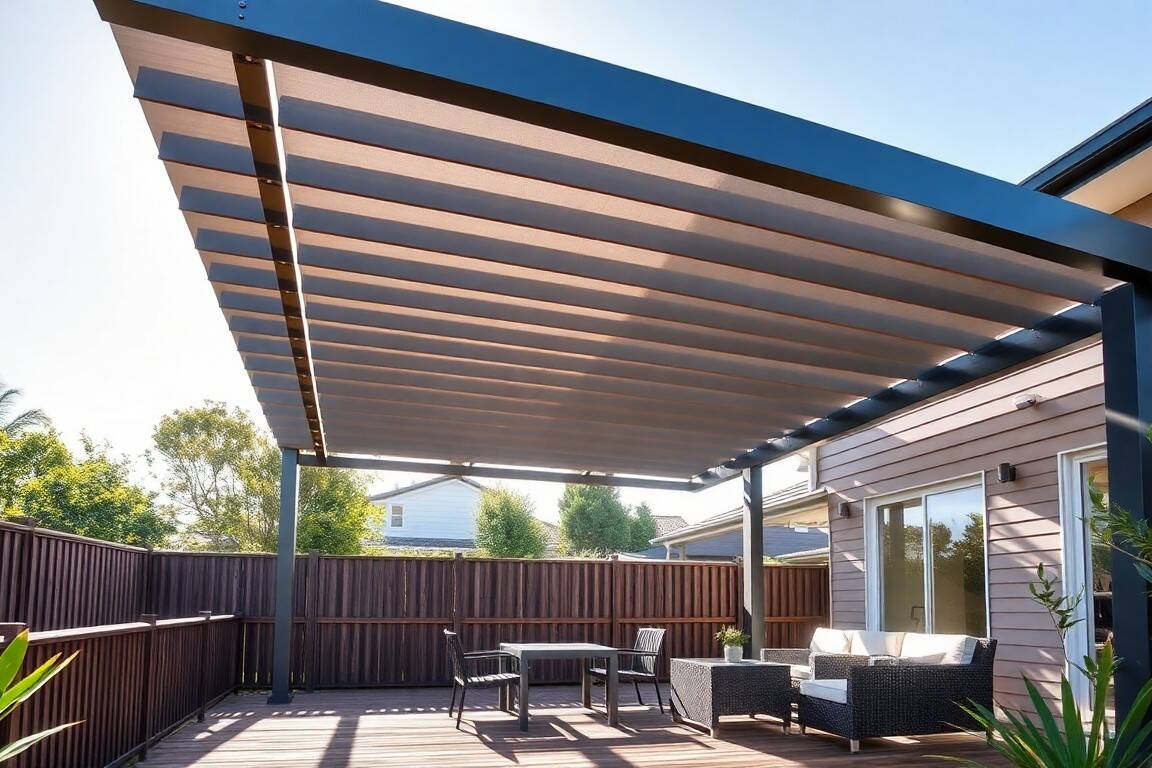
Pergolas, canopies, entry features, handrails, balustrades and architectural screens are usually aluminium. The powder coated or anodised finish stays clean for decades, and the weight saving simplifies install. See the aluminium extrusion range.
Marine and coastal builds
Any structure within a few hundred metres of the sea, or anything on a boat, dock, marina or coastal site, should default to aluminium unless there is a strong structural reason to stay with steel. The lifespan advantage in NZ coastal conditions is decisive.
Furniture, fittings and lighter frames
Light duty frames, shopfit, display stands, modular mezzanine handrails and anything that a single person needs to lift usually lands on aluminium SHS in 20mm to 50mm sizes. The weight saving compounds across a full build.
How to decide on your project
The short decision process is four questions.
- Does the structure carry high static or dynamic load? If yes, start with steel. If no, either material works.
- Does the structure sit outdoors, near salt air, or need zero maintenance for 15 plus years? If yes, lean toward aluminium. If no, either material works.
- Is weight a real constraint, for freight, install, lifting or performance? If yes, aluminium is usually worth the material premium. If no, steel is usually cheaper.
- Does the project have aluminium welding capability? If yes, either material is fine. If no, stick with steel, or bolt the aluminium assembly.
If the answers point clearly to one material, run that material. If they split, we can scope both as a quote and compare the real cost, weight and lifespan for your specific job.
Buying box section in NZ
SD Aluminium stocks both aluminium SHS and RHS across the full range of sizes and wall thicknesses, plus galvanised steel SHS and RHS in the sizes most NZ fabrication shops use. Manukau and Albany branches hold the range, with delivery across Auckland and NZ wide freight. Cut to length is available for most sizes.
For aluminium, see the aluminium square hollow and aluminium rectangle hollow pages. For steel, see the galvanised square hollow and galvanised rectangular hollow pages. If you are picking between the two for a specific job, contact the team with the structural requirements and we will scope both materials side by side.
FAQs
What is the difference between SHS and RHS?
SHS (square hollow section) has a square cross section. RHS (rectangular hollow section) has a rectangular cross section. Both are hollow structural profiles sized by outside dimensions and wall thickness. SHS is more common for posts and frames, RHS for beams, rails and anything carrying load across a span.
Is aluminium box section as strong as steel?
At the same cross section, steel is stronger. At the same weight, aluminium is typically stronger. For a given structural requirement, the right answer depends on whether weight, size, cost or corrosion matters most. Both materials carry real loads when correctly specified.
What is RHS steel used for in NZ?
Galvanised RHS steel in NZ is the default material for commercial gate frames, trailer chassis beams, shed and mezzanine frames, industrial racking, heavy duty benches and any structural member carrying load across a span. It is specified by width, depth and wall thickness.
Can I weld aluminium box section at home?
Yes, with the right equipment. Aluminium welding needs a MIG or TIG welder capable of aluminium, argon shielding gas, matching filler wire (usually 4043 or 5356) and a clean working surface. A hobbyist setup will handle lighter walls. For thicker aluminium SHS or structural welds, most NZ builders use a professional fabrication shop.
Does aluminium box section rust?
No. Aluminium does not rust. The surface oxidises, which forms a thin protective layer, and the material underneath stays intact. This is why aluminium is the default material for marine, coastal and exposed NZ applications.
How do I choose between galvanised square hollow and aluminium square hollow?
Start with the job. Heavy load, cost critical, not exposed: galvanised steel. Outdoor, coastal, weight critical, visible: aluminium. If both could work, price both for the actual size and wall needed, and factor in the ten year maintenance cost of the steel option.
What sizes of box section does SD Aluminium stock?
Aluminium SHS from 15x15mm up to 100x100mm in multiple wall thicknesses, RHS from 20x10mm up to 100x50mm. Galvanised steel SHS from 20x20mm up to 100x100mm, RHS from 40x20mm up to 150x50mm. Larger sizes and special walls can be sourced on request.
Related Posts

June 23, 2026
Pool Fence Regulations NZ: Compliance Checklist and Buying Guide
What NZ pool fence law requires: 1.2m height, 100mm gaps, a non climbable zone…