

Aluminium Sheet NZ: Grades, Sizes & How to Choose the Right One
Aluminium sheet is one of the most versatile materials in construction, manufacturing, and DIY — but not all aluminium sheet is the same. The grade, temper, and thickness you choose determines how the material performs, how it machines, and how long it lasts.
This guide covers the aluminium sheet grades and sizes available in New Zealand, what they’re best suited for, and how to choose the right product for your project.
Why Aluminium Sheet?
Aluminium sheet offers a combination of properties that few other materials can match:
- Lightweight: Roughly one-third the weight of steel at equivalent thickness
- Corrosion-resistant: Forms a natural oxide layer that protects against rust — no coating required for most applications
- Machinable and formable: Can be cut, bent, drilled, welded, and anodised without specialist equipment
- Non-magnetic and non-sparking: Required for specific industrial and marine applications
- Recyclable: 100% recyclable without loss of quality
For NZ builders, fabricators, and manufacturers, aluminium sheet is a practical choice for roofing, cladding, marine fitout, signage, enclosures, and structural components.
Aluminium Sheet Grades Available in NZ
Aluminium alloys are classified by a four-digit number. Each grade has a different composition of alloying elements, giving it distinct mechanical properties.
1100 Aluminium (Pure Aluminium)
Composition: 99%+ pure aluminium Key properties: Excellent corrosion resistance, very high formability, soft Best for: Food processing equipment, chemical vessels, decorative applications Not suitable for: Structural applications, high-stress environments
1100 is the softest and most formable of the common grades. It bends cleanly without cracking, making it popular for architectural trim and decorative sheet work.
3003 Aluminium (Manganese Alloy)
Composition: Aluminium + 1.2% manganese Key properties: Better strength than 1100, excellent formability, good corrosion resistance Best for: General fabrication, roofing, ducting, kitchen equipment, general sheet metalwork Not suitable for: High-strength structural applications
3003 is the most widely used general-purpose aluminium sheet in New Zealand. It’s stronger than 1100 but still highly formable, making it the default choice for most fabrication and manufacturing applications.
5052 Aluminium (Magnesium Alloy)
Composition: Aluminium + 2.5% magnesium Key properties: High strength, excellent corrosion resistance (particularly in marine environments), good weldability Best for: Marine applications, pressure vessels, fuel tanks, structural panels Not suitable for: Applications requiring machining to close tolerances (more difficult to machine than 6061)
5052 is the go-to grade for marine environments in NZ. Its resistance to saltwater corrosion makes it the standard choice for boat building, marine fittings, and coastal construction.
6061 Aluminium (Magnesium-Silicon Alloy)
Composition: Aluminium + magnesium + silicon Key properties: High strength, good machinability, excellent weldability, heat-treatable Best for: Structural applications, machine parts, transport, aerospace-adjacent applications Not suitable for: Highly decorative applications (less formable than 3003)
6061 is the workhorse structural aluminium grade. Where you need strength and machinability together, 6061-T6 (the common heat-treated temper) is the standard specification.
5005 Aluminium (Anodising Grade)
Composition: Aluminium + 0.8% magnesium Key properties: Excellent anodising quality, consistent finish after anodising Best for: Architectural applications, signage, anodised panels, interior fitout
5005 is specified where the finished anodised appearance matters — consistent, even colour without streaking or blotching.
Temper Designations: What the Letters Mean
The grade number is followed by a temper designation that indicates the heat treatment or work hardening state:
| Temper | Meaning |
|---|---|
| O (Annealed) | Fully soft, maximum formability |
| H12, H14, H16, H18 | Work hardened — higher number = harder/stronger |
| T4 | Solution heat treated, naturally aged |
| T6 | Solution heat treated, artificially aged — maximum strength |
For most NZ applications: – Sheet metal fabrication → H14 temper (3003 or 5052) – Structural applications → T6 temper (6061) – Maximum formability → O temper (1100 or 3003)
Standard Aluminium Sheet Sizes in NZ
SD ALU stocks aluminium sheet in a range of standard sizes for immediate dispatch across New Zealand. Common sheet dimensions include:
Standard sheet size: 1200mm × 2400mm (most common NZ sheet size) Also available: 1000mm × 2000mm, 1500mm × 3000mm, and custom cut-to-size
Thickness range: – Light gauge: 0.9mm, 1.2mm, 1.6mm – Mid range: 2mm, 2.5mm, 3mm – Heavy gauge: 4mm, 5mm, 6mm+
Custom cutting and sheeting services are available for orders requiring specific dimensions. Contact SD ALU for cut-to-size pricing and lead times.
Which Aluminium Sheet Should You Choose?
| Application | Recommended Grade | Temper |
|---|---|---|
| General fabrication / roofing | 3003 | H14 |
| Marine / coastal / boats | 5052 | H32 |
| Structural panels / machine parts | 6061 | T6 |
| Anodised decorative work | 5005 | H14 |
| Food / chemical processing | 1100 | O or H14 |
| Bent or formed enclosures | 3003 or 1100 | O |
If you’re unsure which grade suits your application, contact SD ALU’s team — we can advise based on your specific requirements.
Aluminium Sheet vs Aluminium Plate
The distinction between sheet and plate is simply thickness:
- Aluminium sheet: Up to 6mm thick
- Aluminium plate: 6mm and above
For structural applications requiring plate thickness, SD ALU carries aluminium plate across grades including 5083 (marine/structural) and 6061-T6. Contact us for plate specifications and availability.
FAQs
What is the most common aluminium sheet grade used in New Zealand? 3003-H14 is the most widely used general-purpose grade in NZ. It’s available in a wide range of thicknesses, machines and forms well, and offers good corrosion resistance for the majority of construction and fabrication applications.
Can aluminium sheet be welded? Yes — 3003, 5052, and 6061 can all be welded using TIG or MIG processes. 5052 and 6061 offer better weld strength and are preferred for structural applications. 1100 can be welded but is rarely needed in structural contexts.
How do I cut aluminium sheet? Aluminium sheet can be cut with a circular saw (carbide-tipped blade), jigsaw, angle grinder, or guillotine shear. For clean cuts, a dedicated aluminium blade at high speed works well. Score-and-snap works for thinner gauges up to 1.6mm.
Does aluminium sheet rust? No. Aluminium forms a natural oxide layer that protects the surface from further corrosion. In marine environments, 5052 grade is recommended for its enhanced resistance to saltwater. Unlike steel, aluminium doesn’t require painting or coating to prevent rust.
Do you offer cut-to-size aluminium sheet in NZ? Yes — SD ALU offers cut-to-size service for aluminium sheet. Contact us with your dimensions and quantity for a quote. NZ-wide delivery available.
Order Aluminium Sheet in NZ
SD ALU stocks a full range of aluminium sheet grades and thicknesses for immediate dispatch to Auckland, Wellington, Christchurch, and NZ-wide.
Browse aluminium sheet products or contact SD ALU for custom sizing and trade pricing.
Related Posts

June 23, 2026
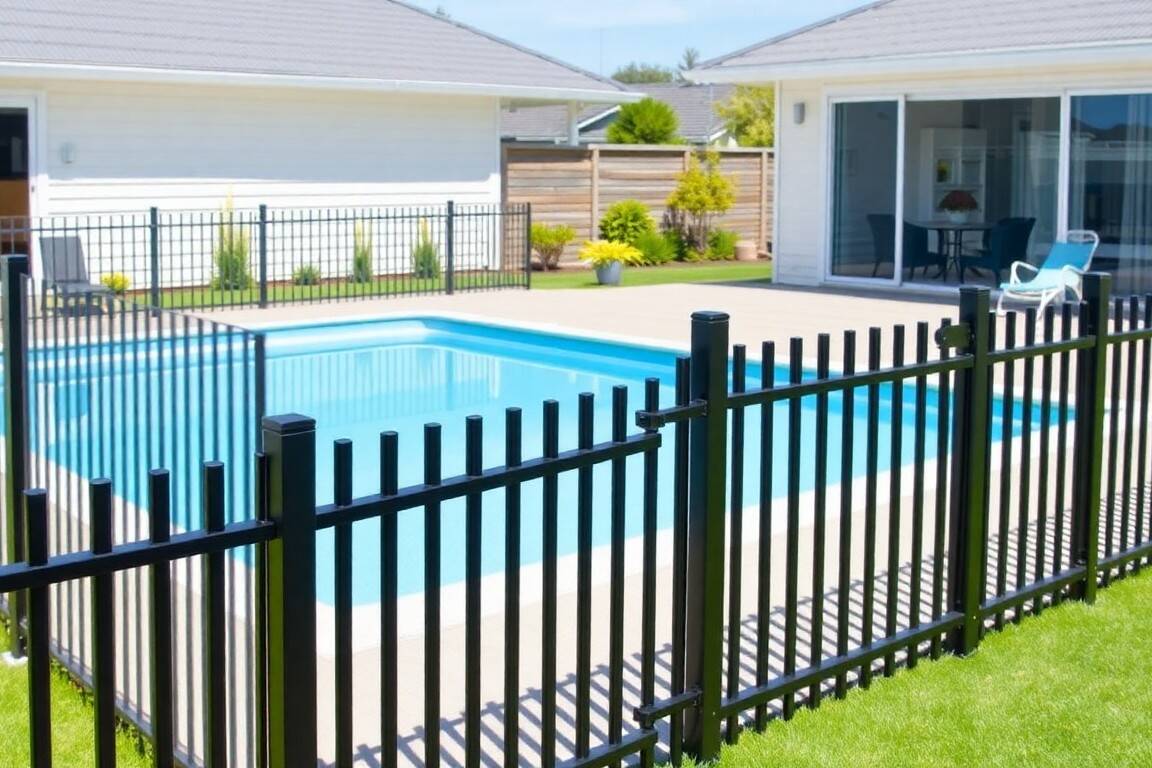
Pool Fence Regulations NZ: Compliance Checklist and Buying Guide
What NZ pool fence law requires: 1.2m height, 100mm gaps, a non climbable zone…